
The Nature of Truth and Interpretation
The Name of the RoseThe novel's exploration of how truth is constructed through signs, interpretation, and perspective.
increasing Bearing strength in each event
 decreasing
Bearing strength in each eventdecreasingThe Book of Nature
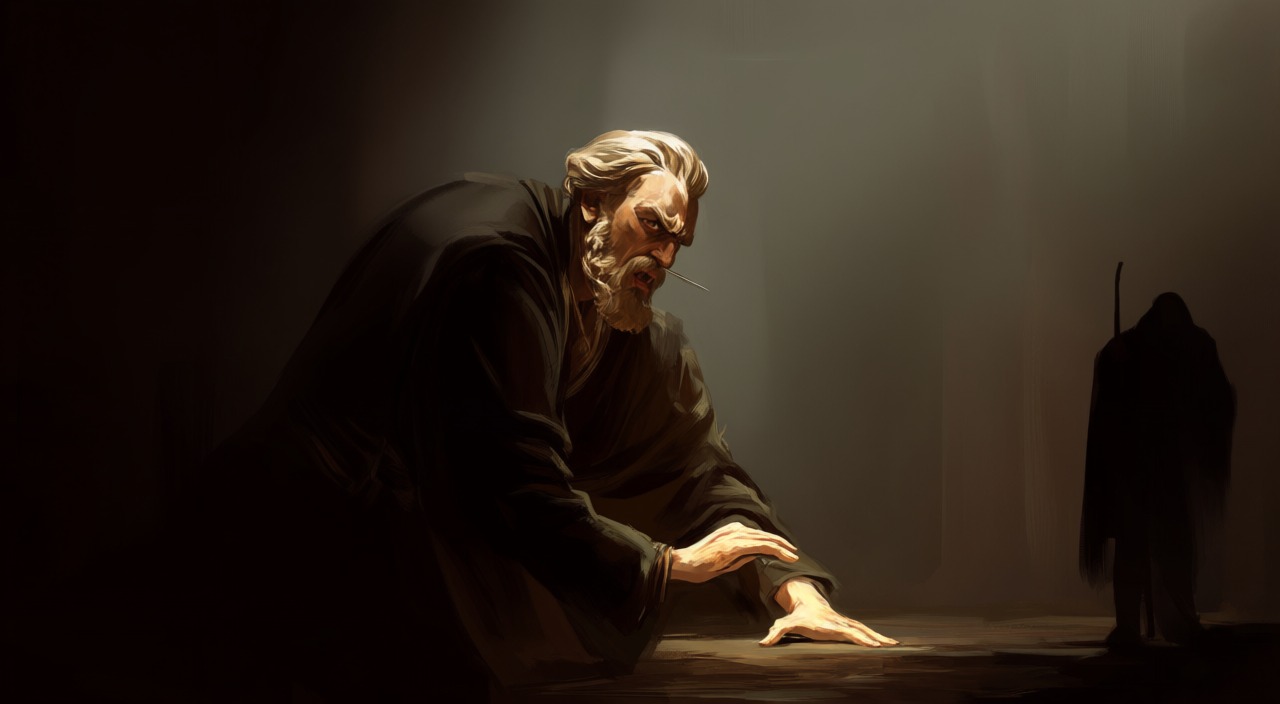
Reading the World
William's Method
William reads the tracks in the snow as signs. He interprets them to deduce the horse. The world is a book to be read.
The Limits of Signs
But signs can be misleading. William's interpretation of the apocalyptic pattern is wrong. Truth is not always obvious.
The Role of the Interpreter
The meaning of signs depends on the interpreter. Different people see different truths. The novel questions whether any single truth exists.
The Forbidden Book
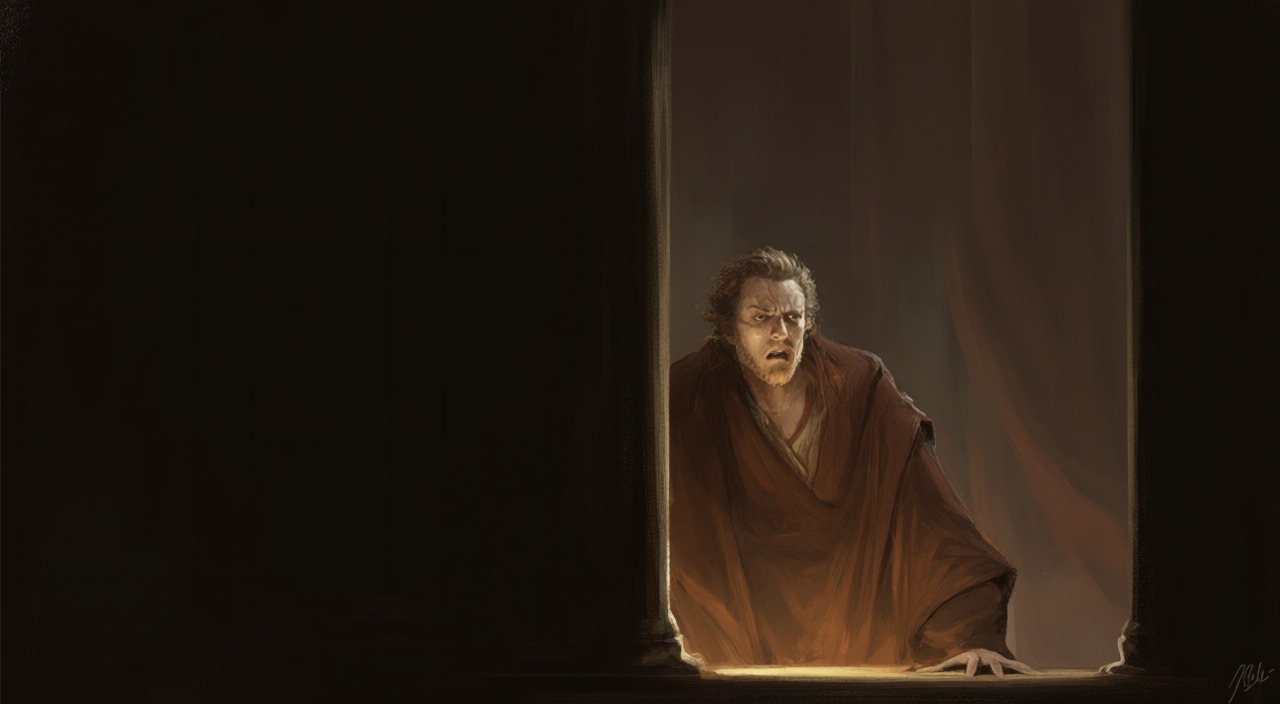
A Dangerous Text
Aristotle's Poetics
The second book of Aristotle's Poetics is about comedy. It offers a different way of understanding truth through laughter.
Jorge's Fear
Jorge fears that this book will undermine the authority of the Church. He believes that laughter destroys fear of God.
The Debate
The novel presents two views of truth: one absolute and dogmatic, the other open and questioning. The reader must decide which is more valid.
The Final Meditation
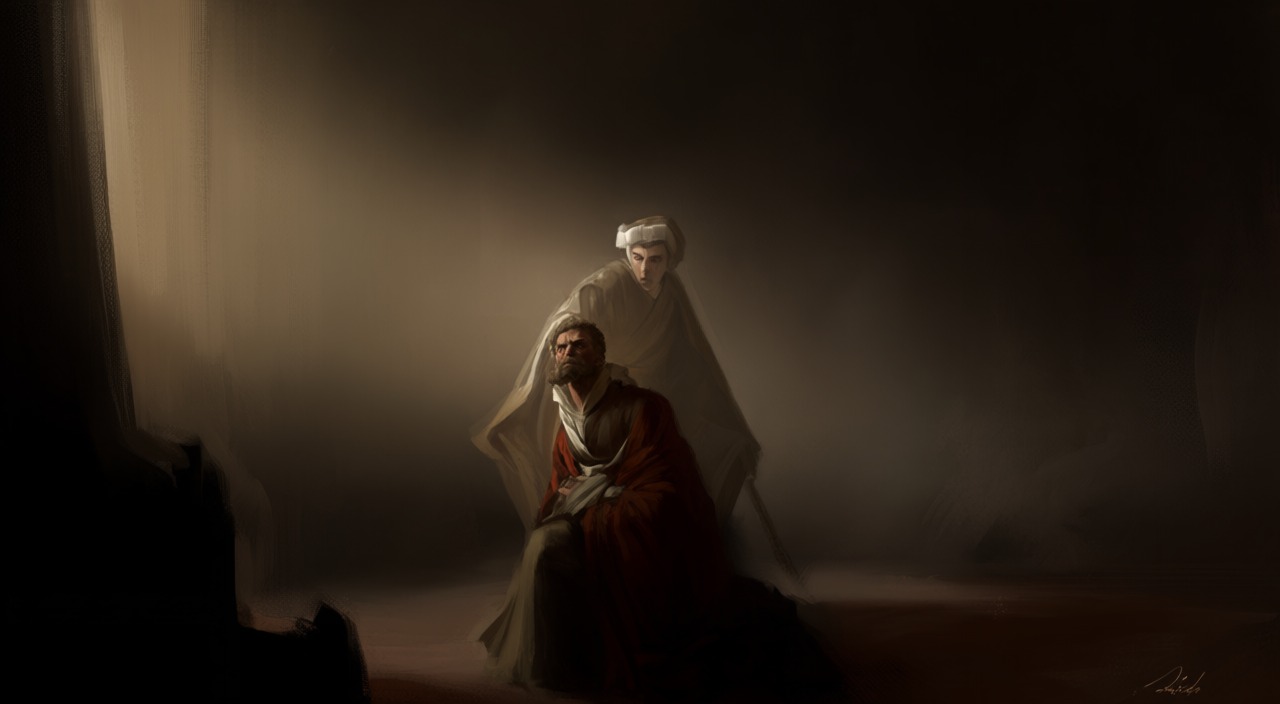
The Name of the Rose
The Title's Meaning
The title "The Name of the Rose" suggests that only the name remains after the thing is gone. Truth is elusive.
Adso's Uncertainty
Adso, writing his chronicle, is unsure if there is any meaning in the events. He ends with a quote about the rose.
The Reader's Role
The novel invites the reader to interpret. There is no single answer. The search for truth is more important than the truth itself.
First day
Throughout the story
End of the story
